The Riley Foundation for sickle cell disease

EDUCATION, ADVOCACY, & SUPPORT 

The Riley Foundation for Sickle Cell Disease empowers individuals and families affected by sickle cell disease through education, advocacy, community outreach, and access to life-changing resources. Together, we’re creating healthier futures and stronger communities.

About Us

The Riley Foundation for Sickle Cell Disease was officially established as a 501(c)(3) organization in 2019, but our journey began long before that. Since 2011, we have been on a mission to advocate for, educate, and support those affected by sickle cell disease, driven by a deeply personal story and a commitment to fill critical gaps in care and resources.
Our Services

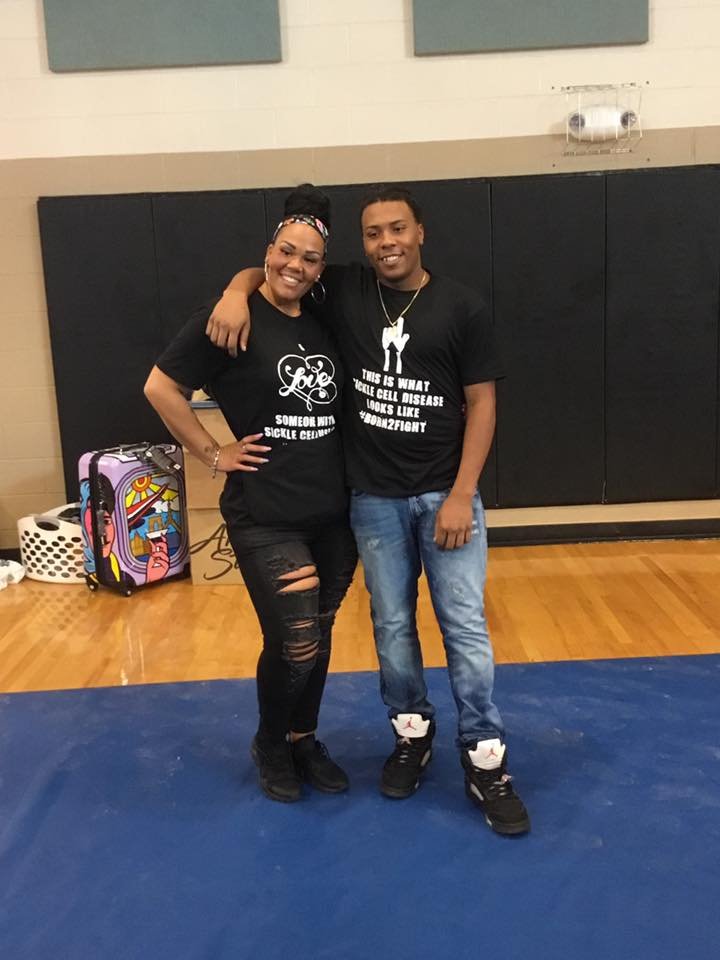
South Carolina ranks #1 in strokes under 30, and sickle cell disease is a significant contributor. Yet, the resources for families often fall short. The Riley Foundation is here to change that by being the boots on the ground for our community.

EDUCATION

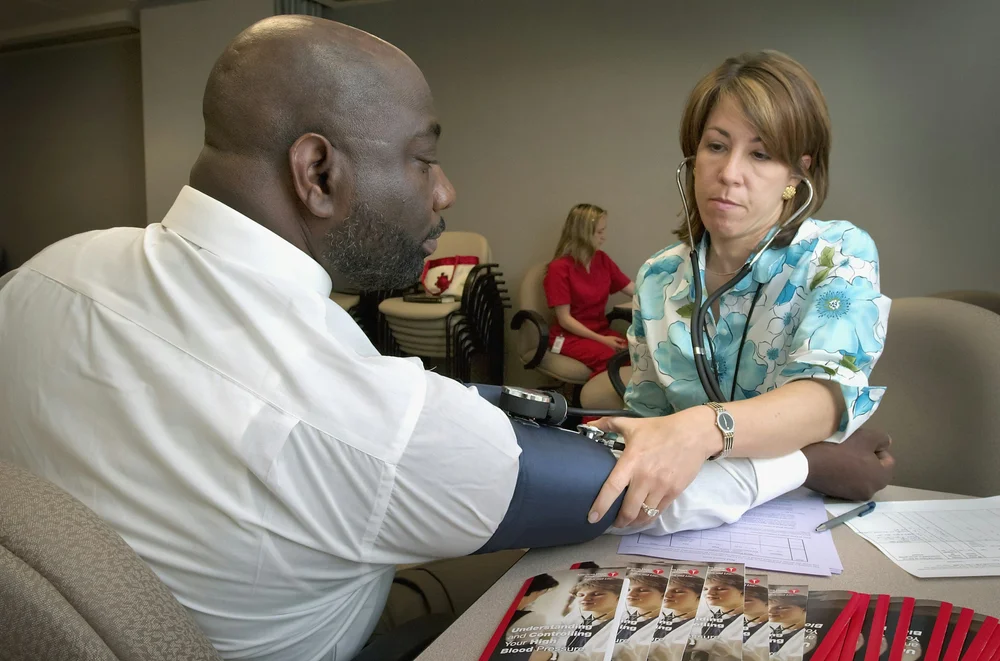
Trait awareness, testing, and community outreach to demystify sickle cell disease.

MEDICAL CONNECTIONS

Partnering with healthcare professionals to improve treatment options and patient care.

COMMUNITY OUTREACH

Annual blood drives, bone marrow registration initiatives, and direct support for sickle cell families, including holiday assistance and emergency resources.

Our Impact

0
Warriors & Served
$0
Emergency Assistance Distributed
0
Patient Registry Enrollments
0
Care Coordination & Intakes Handled
0
Blood Units Collected
0
Resource Kits & Educational Packages Distributed

Frequently Asked Questions

Sickle cell disease (SCD) – also called sickle cell anemia – is a group of inherited disorders that affect hemoglobin, the major protein that carries oxygen in red blood cells.

Normally, red blood cells are disc-shaped and flexible so they can move easily through the blood vessels. In sickle cell disease, red blood cells are misshaped, typically crescent- or “sickle”-shaped due to a gene mutation that affects the hemoglobin molecule. When red blood cells sickle, they do not bend or move easily and can block blood flow to the rest of the body.

Sickle cell disease (SCD) affects more than 100,000 people in the United States and 8 million people worldwide. In the United States, 8 of 10 people who have sickle cell disease are of African ancestry or identify as Black/African American.
Sickle cell trait occurs when a person carries a single gene for sickle cell disease (SCD). Sickle cell trait does not turn into sickle cell disease. If someone has sickle cell trait and his/her partner has sickle cell trait, there is a 25% (1 in 4) chance that any child of theirs will have sickle cell disease.
More than 100 million people worldwide have sickle cell trait. It is estimated that 1 to 3 million Americans and 8 to 10 percent of Americans of African descent have the sickle cell trait. Sickle cell trait can also affect Hispanics, South Asians, Caucasians from southern Europe, and people from Middle Eastern countries.

People are tested for sickle cell trait so they understand if they might be at risk of having a baby with sickle cell disease.

The blockage of blood flow caused by sickled cells leads to many complications including chronic pain, infection, lung tissue damage, blindness, kidney disease, and stroke.

The average life expectancy in America has improved since all children are now screened for it. Life expectancy has now increased to the mid-40 years of age range.

Yes. But like all patients with chronic disease, sickle cell patients are best managed in a comprehensive multi-disciplinary program of care and a strong extended support system.

WAYS TO SUPPORT

Make an impact today

VOLUNTEER

Make a difference in the lives of those impacted by sickle cell disease. Join our community of dedicated volunteers who provide critical support, raise awareness, and empower those living with this condition. Sign up today to lend your time and talent.

GIVE BLOOD

Your blood can save lives! Sickle cell patients often require regular blood transfusions to manage their condition. Help ensure a steady supply by participating in one of our upcoming blood drives. Every donation counts.

DONATE

Support our mission to improve care and outcomes for individuals living with sickle cell disease. Your tax-deductible donation funds vital advocacy, and support programs. Together, we can create a brighter future.